

Hear from Our Customers
You can’t see mold spores. They’re microscopic. They travel through your HVAC system, settle in your walls, and multiply behind surfaces you’d never think to check.
That’s the problem with mold—it doesn’t announce itself until it’s already a bigger issue. By then, you’re dealing with health symptoms you can’t explain, musty smells that won’t go away, or black spots creeping across your basement walls.
Professional mold testing gives you the full picture. Air sampling shows what’s floating around in your home. Surface testing identifies the type and concentration of growth. Moisture mapping pinpoints where water is feeding the problem. You get lab results, spore counts, and a clear breakdown of what’s happening in your house—not guesswork.
Once you know what you’re dealing with, you can make informed decisions. Whether that means targeted remediation, improving ventilation, or addressing a hidden leak, you’re no longer reacting blindly.
We work throughout Bucks County and the surrounding Philadelphia area. We know the homes here—the twins with attached garages up north, the Cape Cods and split-levels down south, the older construction that holds moisture differently than newer builds.
Torresdale Manor sits right on the edge of Bucks County, close to the Delaware River. That means humidity swings in summer and freeze-thaw cycles in winter. Both create conditions where mold thrives if water gets in and doesn’t dry out fast enough.
We’ve tested homes after basement flooding, roof leaks, and HVAC condensation issues. We’ve also tested homes where nothing obvious happened—but someone started coughing more, or a room started smelling off. Sometimes the problem is small. Sometimes it’s not. Either way, you deserve to know.
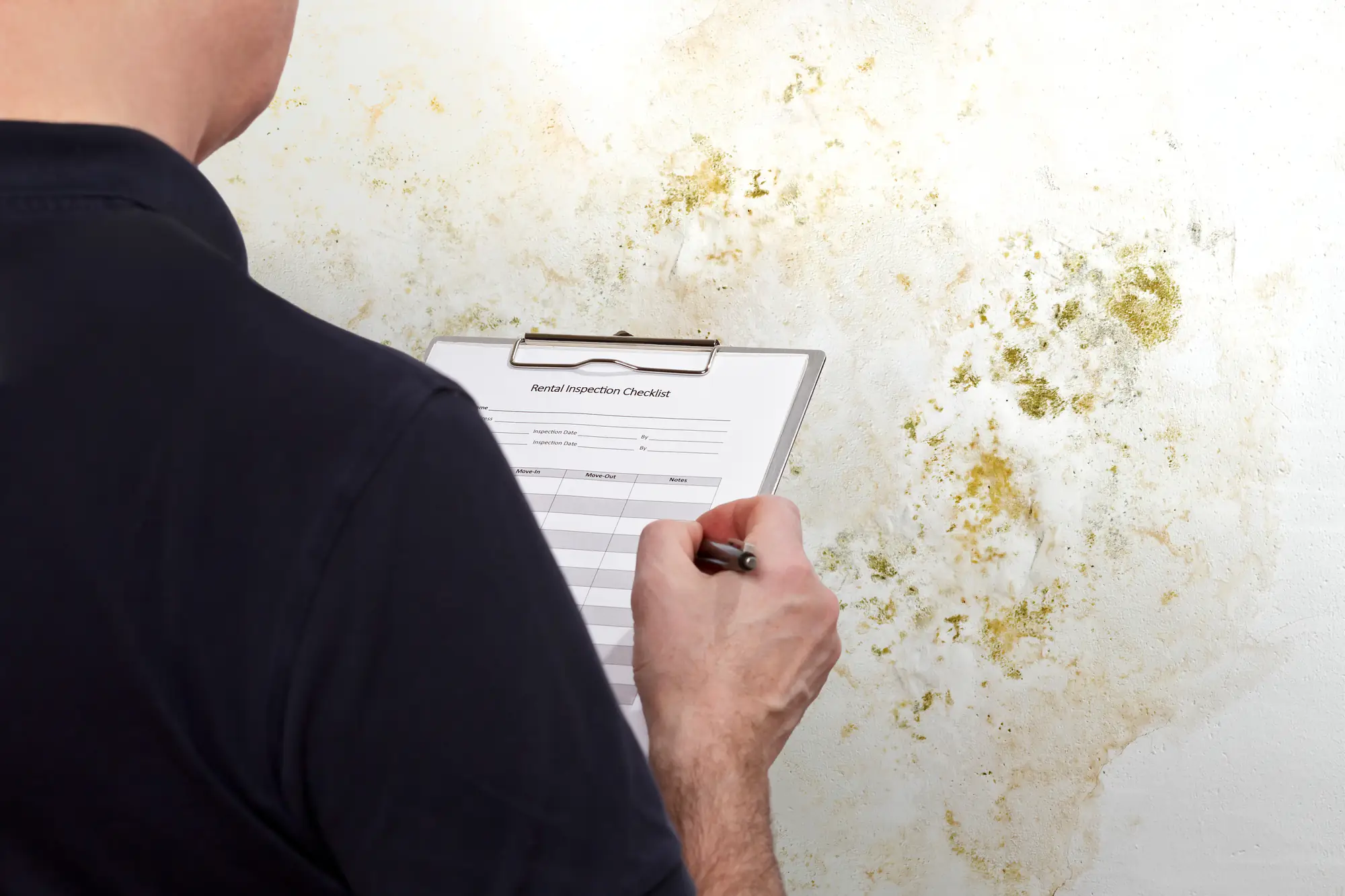
We start by walking through your home with you. You tell us what you’ve noticed—smells, stains, recent water damage, health symptoms. We ask questions about your HVAC system, ventilation, and any past issues with moisture.
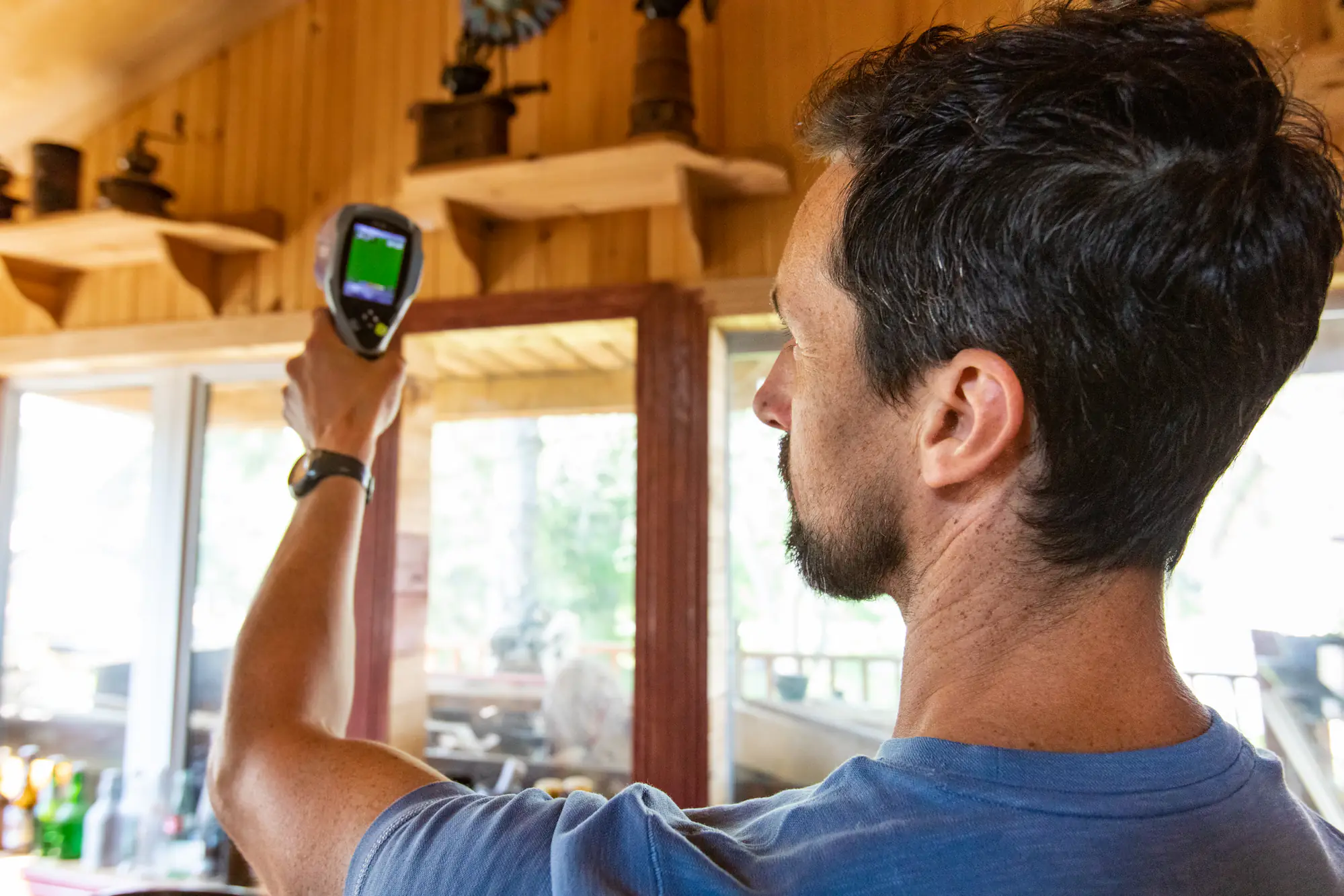
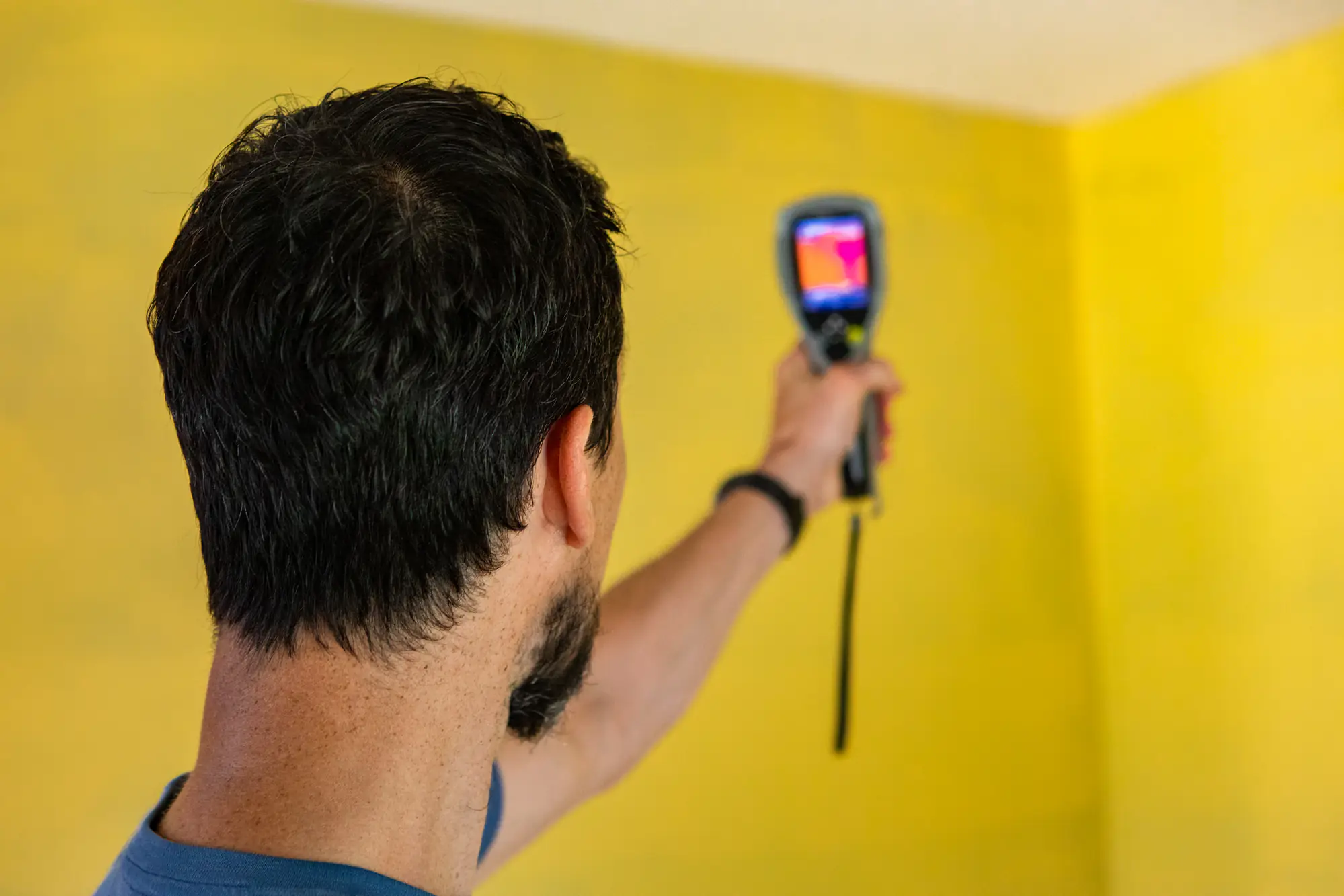
Then we inspect. We use moisture meters to check walls, ceilings, and floors. Thermal imaging cameras help us spot temperature differences that indicate hidden water. We take air samples from multiple rooms to measure airborne spore levels. If we see visible growth or suspect contamination on a surface, we collect samples for lab analysis.
Everything gets sent to a certified lab. You receive a detailed report that breaks down spore types, concentration levels, and where contamination was found. We review the results with you and explain what they mean in plain terms—no jargon, no upselling.
If remediation is needed, we’ll tell you what that looks like. If the issue is minor and you can handle it yourself, we’ll tell you that too. The goal is accurate information so you can make the right call for your home.
Ready to get started?
A full mold inspection covers air sampling, surface sampling, moisture detection, and thermal imaging. Air samples measure what’s circulating through your home—the stuff you’re breathing but can’t see. Surface samples identify the specific type of mold growing on walls, ceilings, or other materials.
Moisture meters tell us where water is hiding. Even if a surface looks dry, trapped moisture behind drywall or under flooring creates the perfect environment for mold. Thermal imaging shows us cold spots or areas with poor insulation where condensation builds up.
In Torresdale Manor, we see a lot of mold growth in basements and crawl spaces—especially in older homes where drainage wasn’t designed for today’s weather patterns. We also see it around windows, in attics with poor ventilation, and near bathrooms where exhaust fans aren’t venting properly. Humid summers and cold winters create a cycle where moisture gets trapped and mold takes hold.
The inspection typically takes one to two hours depending on the size of your home. Lab results come back within a few days. You get a written report with photos, findings, and recommendations. No surprises, no pressure—just the facts.
Most residential mold inspections in the area run between $250 and $675, depending on the size of your home and how many samples are needed. A typical single-family home with air and surface sampling usually falls around $450 to $500.
The cost covers the inspection itself, lab analysis, and a detailed report. If you’re buying or selling a home, some inspectors charge more for real estate transactions because the documentation requirements are stricter. If you’re dealing with a known issue—like visible mold after a flood—the inspection might be more focused and cost less.
We offer a free initial consultation. We’ll talk through what you’re seeing, answer questions, and help you understand whether testing makes sense for your situation. Not every musty smell requires a full lab workup, and we’re not going to sell you something you don’t need.
Air sampling measures the concentration of mold spores floating in your indoor air. We use a pump to pull air through a collection device, then send it to a lab for analysis. This tells us what you’re breathing and whether spore levels are elevated compared to outdoor air.
Surface sampling collects mold directly from walls, ceilings, or other materials. We use swabs or tape lifts to gather samples, which the lab examines under a microscope. This identifies the specific type of mold growing and how much of it is present.
Both methods serve different purposes. Air sampling is useful when you suspect mold but can’t see it, or when you want to verify that remediation worked. Surface sampling is better when there’s visible growth and you need to know exactly what you’re dealing with—especially if it might be a more hazardous species like Stachybotrys (black mold). Most thorough inspections include both.
Lab results typically come back within three to five business days. Some labs offer rush processing for an extra fee if you’re on a tight timeline—like closing on a house or dealing with a health emergency.
Once we receive the results, we review them and put together a report that explains what was found, where it was found, and what it means for your home. We’ll walk you through the findings in a follow-up call or meeting. If remediation is recommended, we’ll outline the scope of work and answer any questions you have.
The waiting period can feel long when you’re worried about your family’s health or a potential property issue. But accurate lab analysis takes time. Rushing it or skipping it altogether means you’re making decisions based on guesswork instead of data. A few days of patience gives you the information you need to handle the problem the right way.
You can, but those kits have serious limitations. Most DIY mold test kits use petri dishes that collect whatever lands on them over 24 to 48 hours. The problem is they don’t measure concentration, they don’t tell you where the mold is coming from, and they often pick up harmless spores that exist in every home.
You’ll get a result that says “mold detected,” but that doesn’t tell you much. Every house has some mold spores. What matters is the type, the amount, and whether it’s growing actively or just passing through from outside.
Professional testing uses calibrated equipment and certified labs. We measure spore counts per cubic meter of air, identify specific species, and compare your indoor levels to outdoor baselines. We also inspect your home to find the source—not just confirm that mold exists somewhere. If you’re trying to decide whether to invest in remediation, buy a house, or address a health concern, a $10 kit won’t give you the answers you need. It’ll just tell you what you already suspected.
We see a lot of Cladosporium, Penicillium, and Aspergillus in homes around here. These are common indoor molds that grow when humidity stays above 60% for extended periods. They’re not usually as dangerous as black mold, but they can still trigger allergies, asthma, and respiratory irritation—especially in kids and older adults.
Stachybotrys chartarum, commonly called black mold or toxic mold, shows up less frequently but tends to grow in areas with serious water damage—like basements that flooded and didn’t get dried out properly, or behind walls where a slow leak went unnoticed for months. It’s greenish-black, slimy, and produces mycotoxins that can cause more severe health effects.
The Delaware River proximity and the mix of older housing stock in Torresdale Manor create conditions where moisture problems are common. Basements with poor drainage, attics with inadequate ventilation, and older windows that leak air all contribute. The key is catching it early. Once mold gets established in building materials, it’s harder and more expensive to remove.
If you can see mold and you know it’s from a recent water event—like a pipe burst or roof leak—you might not need testing before you start remediation. The priority is stopping the water source and drying everything out within 24 to 48 hours. Mold starts growing fast, and waiting for test results can make the problem worse.
But if the water damage happened a while ago, or if you’re not sure how far the mold has spread, testing makes sense. It tells you whether contamination is limited to the visible area or if spores have spread through your HVAC system and into other rooms. It also establishes a baseline so you can verify that remediation actually worked.
Testing is also smart if anyone in your home is experiencing unexplained health issues, if you’re dealing with a landlord or insurance claim, or if you’re buying a house with a history of water problems. You want documentation. You want to know the scope of what you’re dealing with. And you want proof that the air quality is safe after the work is done. Skipping testing might save you a few hundred dollars upfront, but it can cost you a lot more if the problem isn’t fully addressed.
Other Services we provide in Torresdale Manor